The Clinicians Behind the Curtain: Who Else Should Be on Your Care Team?

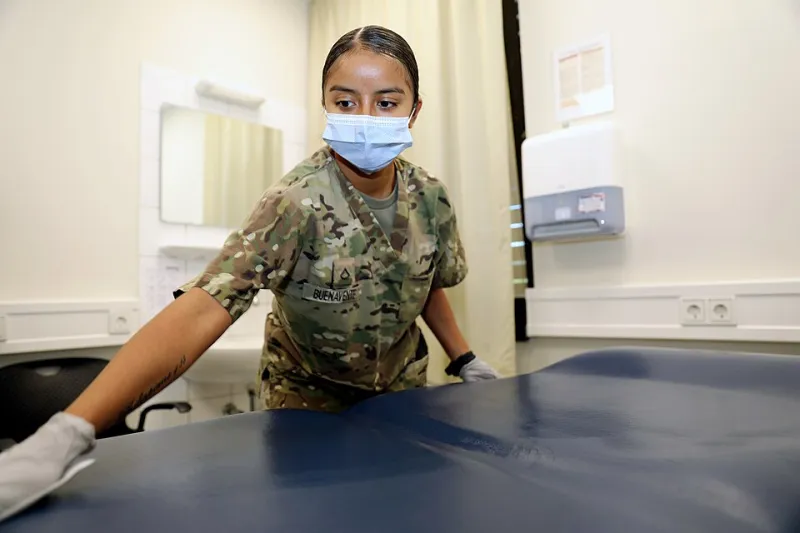
Photo: U.S. Army photo by Capt. Katherine Sibilla, Public domain, via Wikimedia Commons
When most Americans picture their healthcare, they picture one person: a physician. Yet the clinicians who often determine whether a knee replacement succeeds, whether a diabetes diagnosis leads to lasting change, or whether an elderly patient can safely remain at home are frequently someone else entirely.
Allied health professionals—physical therapists, registered dietitians, clinical social workers, occupational therapists, and many others—make up a substantial share of the clinical workforce in the United States. They are also, by and large, invisible in the popular imagination. That invisibility has consequences: patients who could benefit enormously from their expertise often never meet them.
Three Clinicians Worth Knowing by Name
The physical therapist. After an injury, a surgery, or the slow accumulation of joint pain, the physical therapist is the clinician who rebuilds function. Research on post-surgical rehabilitation consistently shows that patients who complete structured physical therapy programs recover mobility faster and are less likely to require repeat procedures. Yet physical therapy is frequently prescribed as an afterthought—a stack of exercises that patients abandon within weeks.
A skilled PT does more than demonstrate stretches. They assess movement patterns, identify weaknesses that set patients up for future injury, and adjust treatment in real time based on progress. For chronic low back pain in particular, clinical guidelines now recommend physical therapy as a first-line treatment before imaging or opioids.
The registered dietitian. Note the distinction: a registered dietitian (RD or RDN) is a credentialed clinician with supervised training and a national examination. The title "nutritionist," by contrast, is largely unregulated and can describe almost anyone.
For patients managing diabetes, kidney disease, hypertension, celiac disease, or gastrointestinal disorders, an RD can be transformative. Medical nutrition therapy—the formal term for dietitian-delivered treatment—is recognized as effective clinical intervention, not lifestyle advice. Yet many patients leave a physician's office with a pamphlet and a vague instruction to "eat better," never connecting with the professional trained to translate that instruction into a workable plan.
The clinical social worker. Perhaps the most misunderstood member of the care team, clinical social workers address the non-medical realities that determine whether treatment plans succeed: Can this patient afford their medications? Do they have transportation to appointments? Is the home environment safe after a hospital discharge?
Hospitals employ them to coordinate discharges, but their value extends well beyond that. A social worker can connect a family caregiver with respite services, help a patient apply for assistance programs, or identify community resources that prevent a readmission. In a healthcare system where social circumstances drive outcomes as powerfully as medicine does, they are the bridge between the exam room and real life.
When to Seek Them Out Yourself
Here is what many patients don't realize: in many cases, you don't have to wait for a referral.
- Physical therapy: Most states now permit some form of direct access, allowing patients to see a physical therapist without a physician referral, at least for an initial evaluation. Restrictions vary, so verify your state's rules.
- Dietitian services: Many dietitians accept self-referrals, particularly for general nutrition counseling, though insurance coverage often requires a physician's order for medical nutrition therapy.
- Social work services: Hospital social work departments and community health centers frequently accept direct requests. Area Agencies on Aging, which exist in every U.S. state, are another reliable entry point for older adults and their families.
Getting Insurance to Say Yes
Access is often a coverage question. A few practical steps:
-
Check your plan's therapy benefits specifically. Physical therapy, occupational therapy, and dietitian visits may have separate visit limits, separate deductibles, or separate cost-sharing from your medical benefits. Call the member services number on your card and ask specifically.
-
Ask about medical necessity documentation. Coverage for dietitian visits often hinges on a qualifying diagnosis—diabetes and kidney disease are commonly covered; general wellness counseling frequently is not.
-
Use in-network directories carefully. Allied health provider directories are notoriously outdated. Confirm with the practice itself that they participate in your plan before your first appointment.
-
Explore Medicare benefits. Medicare Part B covers outpatient physical therapy and medical nutrition therapy for qualifying conditions, a fact many beneficiaries overlook.
A Broader Definition of Care
The physician remains essential—the diagnostician, the strategist, the quarterback. But winning a season takes more than a quarterback. Patients who understand the full roster, and who know when to call in a specialist in movement, nutrition, or social support, consistently report better experiences and, increasingly, better outcomes.
The next time a treatment plan feels incomplete, consider that the missing piece may not be a different doctor. It may be a clinician you've never thought to ask for.