Fifteen Minutes on the Clock: The Quiet Erosion of the American Checkup
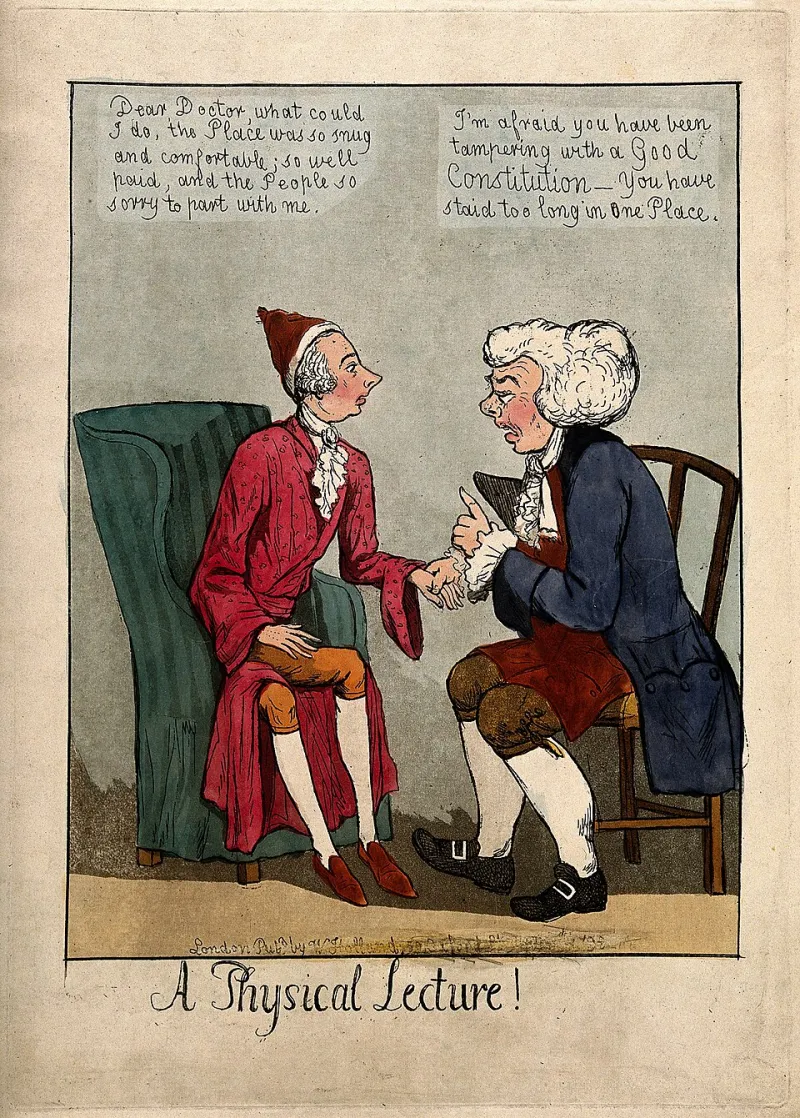
Photo: Unknown, CC BY 4.0, via Wikimedia Commons
Consider a familiar scene: you arrive ten minutes early, sit in a waiting room filling out forms, and are finally escorted to an exam room—where you may wait another fifteen minutes. Then your physician walks in, and the entire conversation is expected to unfold in roughly eighteen minutes. That is the national reality. Time-use studies of American primary care consistently place the average appointment between fifteen and twenty minutes, with some health systems pushing closer to eleven.
The math is unforgiving. In that window, a physician must greet the patient, review medications, address new symptoms, document in an electronic health record, and often complete billing codes. Something has to give. Increasingly, it does.
What Gets Lost When Time Compresses
Research on diagnostic error points to a consistent culprit: incomplete patient histories. When clinicians are racing the clock, they rely more heavily on heuristics and less on open-ended questions—the kind that surface the subtle detail, mentioned almost in passing, that changes the entire clinical picture. Studies of physician time allocation suggest that patients are frequently interrupted within the first thirty seconds of describing a concern.
The ripple effects extend beyond diagnosis. Trust, the foundation of any therapeutic relationship, is difficult to establish in a transactional exchange. Patients who feel rushed report lower satisfaction, are less likely to disclose sensitive information, and are more likely to seek care in urgent care clinics and emergency departments, where no one knows their history. Safety suffers in quieter ways, too: medication reconciliation, fall screening, and preventive counseling are the first casualties of a compressed schedule.
Why the Clock Keeps Ticking Faster
This is not primarily a story about lazy doctors. It is a story about incentives. Fee-for-service reimbursement rewards volume, administrative burdens consume an estimated two hours of clerical work for every hour of direct patient care, and a nationwide shortage of primary care physicians intensifies panel sizes. Meanwhile, the patients arriving at primary care offices are more medically complex than ever—older, more likely to carry multiple chronic conditions, and more likely to be managing several prescriptions at once.
Some systems are experimenting with answers: longer visits for complex patients, team-based care where nurses and pharmacists handle portions of the visit, and direct-pay models that trade volume for time. But for most Americans, the fifteen-minute visit remains the default. Which means the burden of optimization falls, at least partly, on the patient.
Making Every Minute Count
Patients cannot add minutes to the appointment, but they can change what happens within them.
Arrive with a written agenda. List your concerns in priority order before you walk in. Clinicians triage; if your most worrying symptom is the third thing you mention, it may not get the attention it deserves.
Lead with the headline, then the details. "I've had chest tightness when climbing stairs for three weeks, worse than usual" gives a physician more actionable information in ten seconds than a five-minute narrative that buries the point.
Bring an updated medication list—including supplements. Reconciliation eats time when records are incomplete. A photograph of every bottle in your cabinet, including vitamins and herbal products, can save five minutes and prevent an interaction.
Ask the closing question. Before the physician leaves the room, ask: "What should watch for that would mean I need to come back sooner?" This single question converts a rushed visit into a safety net.
Use the portal strategically. Non-urgent questions, clarification requests, and results follow-ups often do not require an appointment at all. Reserving face time for what genuinely requires it is a form of advocacy.
A Structural Problem Demands a Structural Fix
Patient preparation is a coping strategy, not a cure. The longer-term solution lies in payment reform that compensates cognitive work and complex decision-making, broader adoption of team-based care, and continued investment in the primary care workforce. Several states and health systems are piloting advanced primary care models that do exactly this.
Until then, the fifteen-minute visit will remain the container in which much of American healthcare happens. Knowing its limits—and preparing to work within them—is one of the most practical forms of preventive health available to any patient today.