Your Condition, Your Plan: How Individualized Chronic Disease Care Is Delivering Better Outcomes
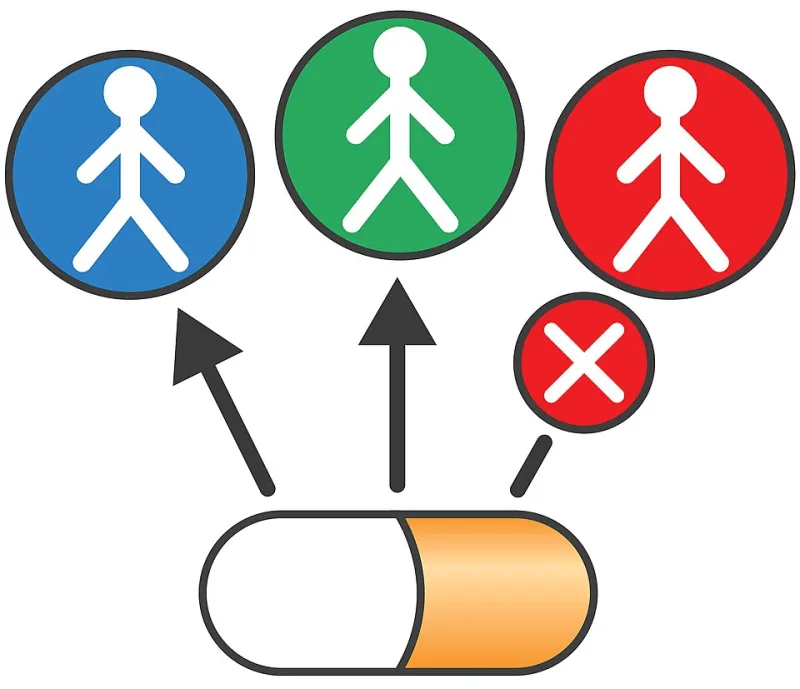
Photo: The U.S. Food and Drug Administration, Public domain, via Wikimedia Commons
For years, managing a chronic illness in America meant receiving a diagnosis, a prescription, a printed pamphlet, and a follow-up appointment three months away. The treatment protocol was largely the same regardless of who you were — your lifestyle, your cultural background, your financial circumstances, your personal goals. Compliance was expected. Customization was rare.
That model, while well-intentioned, has not served patients as well as it should. Nearly half of all American adults live with at least one chronic condition, and a substantial portion of those individuals struggle to achieve and sustain meaningful health improvements under conventional management frameworks. The reasons are complex, but a growing body of research points toward a common thread: treatment that does not account for the whole person tends to produce incomplete results.
The healthcare industry is taking note — and responding with a fundamentally different approach.
Why Standardization Has Its Limits
Consider two patients, both diagnosed with Type 2 diabetes. One is a 58-year-old retired schoolteacher in suburban Ohio with reliable transportation, strong social support, and the flexibility to attend regular appointments. The other is a 42-year-old shift worker in rural Texas with inconsistent access to fresh food, limited time for exercise, and a deep distrust of the medical system rooted in prior negative experiences.
A standardized protocol — the same medication regimen, the same dietary handout, the same monitoring schedule — treats these individuals as interchangeable. In reality, their pathways to better health are quite different, and the interventions most likely to succeed for each are shaped by factors that a single protocol cannot anticipate.
Personalized chronic disease management begins with this recognition: that effective care must be adapted to the individual, not the diagnosis alone.
The Role of Technology in Precision Care Planning
Advances in health technology are making individualized care not only clinically possible but operationally scalable.
Artificial intelligence and predictive analytics are increasingly used within electronic health record systems to surface insights that might otherwise go unnoticed. These tools can analyze patterns across a patient's longitudinal health data — lab trends, medication adherence signals, comorbidity interactions — and generate recommendations that help clinicians tailor treatment adjustments more precisely. For a patient with hypertension, for instance, an AI-assisted system might flag that blood pressure control tends to deteriorate during specific seasonal periods, prompting proactive intervention rather than reactive response.
Remote patient monitoring (RPM) technologies — including connected glucometers, continuous glucose monitors, wearable blood pressure cuffs, and cardiac event monitors — allow care teams to observe real-world health data between appointments. This continuous visibility transforms the traditional episodic care model into something more dynamic and responsive. A patient's care plan can be adjusted based on actual behavior and outcomes, not assumptions.
Patient-facing digital health platforms are also playing an increasingly meaningful role. Applications that support medication tracking, symptom logging, and direct communication with care coordinators help patients remain active participants in their own management — a factor strongly associated with better long-term adherence and outcomes.
Shared Decision-Making: Putting the Patient at the Center
Technology is only part of the shift. Equally important is a philosophical reorientation within clinical practice: the movement toward shared decision-making.
In a shared decision-making model, the clinician does not simply prescribe a course of action. Instead, the provider and patient engage in a genuine dialogue about treatment options, weighing the clinical evidence alongside the patient's own values, preferences, and life circumstances. What are the patient's primary health goals? What side effects are they unwilling to tolerate? What does a realistic daily routine look like for them?
Research published in the Annals of Internal Medicine and other peer-reviewed sources consistently demonstrates that patients who participate actively in their care decisions report higher satisfaction, demonstrate better adherence to treatment plans, and achieve stronger clinical outcomes across a range of chronic conditions — including diabetes, heart failure, and chronic obstructive pulmonary disease.
For healthcare organizations, implementing shared decision-making at scale requires training, time, and workflow redesign. But the return on that investment — measured in reduced hospitalizations, improved quality of life, and lower long-term costs — is well-documented.
Practical Steps for Patients Managing Chronic Conditions
If you are currently managing a chronic illness, advocating for a more personalized approach to your care is both reasonable and within your reach. Consider the following:
Request a comprehensive care plan review. Ask your primary care provider or specialist to walk through your current treatment goals and discuss whether your plan reflects your current circumstances and priorities. Care plans should be living documents, not static instructions.
Ask about remote monitoring options. For conditions such as diabetes, hypertension, or heart disease, connected monitoring devices can provide your care team with richer data and allow for faster adjustments. Many insurance plans, including Medicare, cover certain RPM services.
Explore care coordination resources. Many health systems and insurance plans offer chronic disease management programs staffed by nurses, pharmacists, and health coaches who can provide ongoing support between physician appointments. These programs are frequently underutilized despite being available at no additional cost.
Communicate your barriers honestly. If cost, transportation, work schedules, or other factors are making it difficult to follow your current care plan, share that information with your provider. A plan that works in theory but fails in practice is not a good plan. Your care team can only adjust for circumstances they know about.
The Health System's Evolving Responsibility
Personalized chronic disease management is not solely a patient responsibility. Healthcare organizations bear a significant obligation to design systems that make individualized care the standard rather than the exception.
This means investing in care coordination infrastructure that connects primary care, specialty services, pharmacy, and behavioral health. It means ensuring that clinicians have the time and tools to engage meaningfully with each patient rather than cycling through appointments at a pace that precludes genuine conversation. And it means addressing the social determinants of health — housing stability, food access, economic security — that profoundly influence whether any care plan, however well-designed, can succeed.
Value-based care payment models, which reimburse providers based on patient outcomes rather than service volume, are gradually creating financial incentives aligned with these goals. As adoption of these models expands across the US healthcare system, the structural case for personalized chronic disease management grows stronger.
At its core, this evolution reflects a straightforward truth: patients are not conditions. They are individuals with distinct lives, distinct challenges, and distinct definitions of what living well means. Healthcare that honors that complexity is not simply more compassionate — it is more effective. And more effective care, delivered consistently and equitably, is the standard every patient deserves.