The Produce Prescription Experiment: Medicine's boldest Dietary Bet—or a Band-Aid?
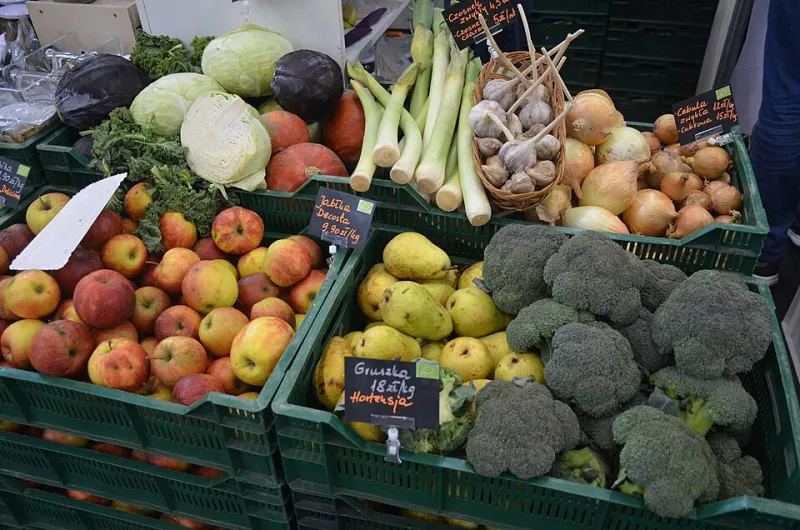
Photo: Silar, CC0, via Wikimedia Commons
The prescription pad is changing. Across the United States, a growing number of physicians are writing, quite literally, for food: vouchers redeemable for fresh produce at farmers markets and grocery stores, or referrals to programs delivering medically tailored meals to patients with congestive heart failure, kidney disease, and diabetes. Several state Medicaid programs and private insurers have launched pilots covering these interventions. The movement has a name—"food as medicine"—and momentum that is difficult to ignore.
The question worth asking is not whether food matters to health. It plainly does. The question is whether this represents a genuine transformation in American care delivery or a well-marketed response to problems that run much deeper than any voucher can reach.
What the Evidence Actually Shows
The strongest data concerns medically tailored meals—fully prepared, condition-specific meals delivered to patients who are too sick to cook. Research published in JAMA Internal Medicine found that recipients of medically tailored meals had substantially lower healthcare utilization and medical spending than matched controls. Produce prescription programs, meanwhile, have shown improvements in cardiometabolic markers, including hemoglobin A1c and blood pressure, in several quasi-experimental studies.
Encouraging, certainly. But much of the evidence base remains observational or limited to short pilot windows. The American Heart Association and other bodies have called for larger, rigorous randomized trials. Enthusiasm is currently running somewhat ahead of proof—a familiar pattern in healthcare innovation.
The Economics Are Compelling, If They Hold
The financial logic is straightforward. Diet-related illness drives hundreds of billions of dollars in annual US healthcare spending. A few hundred dollars of groceries or meals is trivial against the cost of a single diabetes-related hospitalization. Insurers, who bear those downstream costs, have every incentive to test the model—hence Medicaid pilots in states including California, Massachusetts, and North Carolina under Section 1115 waivers.
Skeptics note a risk: payers may embrace food interventions precisely because they are cheap, redirecting attention from coverage, wages, and the built environment that shape what people can afford to eat in the first place.
The Honest Critique: Treatment or Patch?
Here lies the tension at the heart of the movement. Food insecurity is not a clinical condition; it is an economic one. A produce prescription ends when the program's funding does. If a patient's underlying circumstances—food deserts, stagnant wages, unstable housing—remain unchanged, a twelve-week voucher program may delay rather than prevent the next crisis.
The strongest versions of the model acknowledge this. The best programs pair food with nutrition education, connect patients to long-term benefits like SNAP, and build sustainable supply chains through local agriculture. The weakest simply generate press releases.
A Genuine Shift, With Caveats
The fair verdict is probably this: food as medicine is a real and promising evolution in care, particularly for the roughly thirty million Americans with diet-sensitive chronic disease and limited access to nutritious food. It reflects a welcome recognition that health is produced mostly outside exam rooms. But it is an adjunct, not a substitute, for addressing why so many Americans cannot reliably afford a healthy diet.
For patients, the practical takeaway is concrete: ask your physician or health plan whether produce prescription or medically tailored meal programs operate in your area, especially if you manage diabetes, heart failure, or kidney disease. Coverage is expanding, eligibility criteria are broadening, and in a growing number of places, the most important prescription you receive this year may be filled in the grocery aisle.