Keeping the Cold Chain at Home: A Power-Outage Playbook for Temperature-Sensitive Medicines
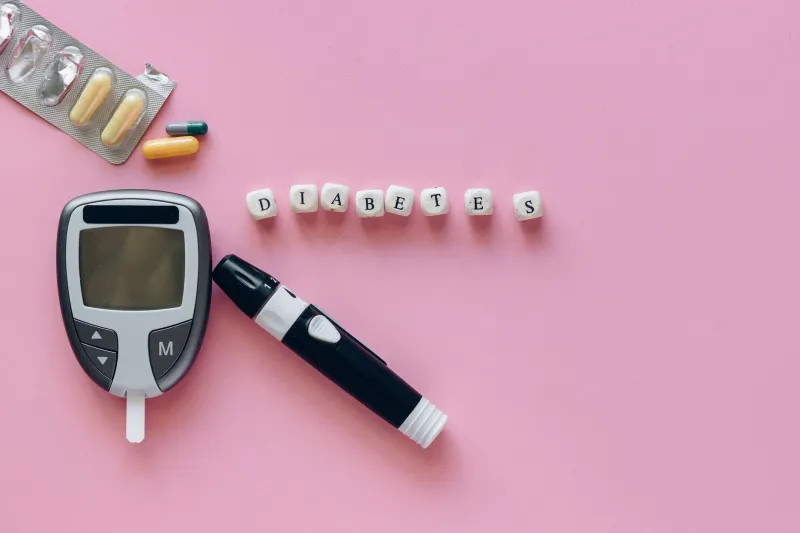
Most medication safety advice focuses on the bottle in the cabinet. For patients who rely on refrigerated medicines, safety also depends on the refrigerator itself. A power outage, a heat wave, a hurricane evacuation, or a delayed flight can push a temperature-sensitive drug outside its safe range. The consequences range from reduced potency to a missed dose to an expensive replacement battle.
A household cold-chain plan does not require laboratory equipment. It requires a few supplies, a clear understanding of the medicine's limits, and a decision made before the lights go out.
Which Medicines Need a Plan
Insulin is the most familiar example, but it is not the only one. Certain biologics, some injectable treatments, and other specialty medicines require refrigeration. Not every dose needs the same handling: some products can stay at room temperature for a limited period once they are in use, while others must remain cold until administration. The label, the pharmacy insert, and the manufacturer's instructions are the authoritative sources.
Patients should know which of their medicines require refrigeration, which can tolerate room temperature, and which must never be frozen. A quick inventory kept with the medicine can save time during a stressful event.
Ask for Stability Data Before the Storm
Pharmacists and manufacturers can provide specific guidance. Ask: 'What is the safe temperature range for this medicine?' 'How long can it stay at room temperature?' 'What should I do if it has been above that range for several hours?' 'Can it be used if it was accidentally frozen?' and 'How will I know if it has lost potency?'
For insulin, patients often receive guidance about avoiding extreme heat and inspecting for changes, but the details vary by product. For biologics, the manufacturer may have a stability statement or a replacement policy. Write down the answers and keep them with the medication. During an outage, there is no time to search through a website on a dying phone.
Build a Low-Cost Cold Kit
A basic kit can fit in a small bin. Include an insulated cooler or insulated bag, reusable gel packs, a thermometer that can read refrigerator and room temperatures, a waterproof label or bag for each medicine, and a copy of the prescribing information. A backup power source, such as a battery-powered cooler or a portable power station, is helpful but not necessary for every household. What matters most is the ability to keep the medicine insulated and to monitor temperature.
Do not place medicine directly against gel packs or ice. Freezing can damage some products just as surely as heat. Use a towel or a separate pouch as a buffer.
During an Outage
Keep the refrigerator and freezer closed as much as possible. A closed refrigerator can hold cold air for a period, but the duration depends on the appliance and the room temperature. Place the medicine in the insulated cooler with a gel pack only after confirming that the cooler is not too cold. Monitor the temperature at regular intervals and write down the readings.
If the outage is prolonged, contact the pharmacy or manufacturer for guidance. Do not assume that a medicine is safe just because it looks normal. Conversely, do not discard a medicine solely because the power flickered; the temperature history matters.
Heat Waves and Travel Delays
Heat is not limited to storms. A parked car, a mail-order delivery left on a porch, or a long airport delay can expose medicine to damaging temperatures. When traveling, carry refrigerated medicine in a carry-on bag with a cooler pack rather than packing it in checked luggage. Ask the hotel whether a refrigerator is available, but do not rely on a minibar or a room refrigerator without checking its temperature.
For mail-order prescriptions, arrange delivery for a day when someone can bring the package inside promptly. If a package arrives warm, contact the pharmacy before using it.
When a Dose May No Longer Be Safe
Discard any medicine that has exceeded its labeled temperature limit for too long, has been frozen when freezing is not allowed, or has changed appearance in a way the manufacturer says is unsafe. Cloudiness, particles, discoloration, or a change in consistency can be warning signs, but visual inspection is not a complete test. When in doubt, call the pharmacist.
A missed dose may be safer than a damaged dose, but that decision should be made with clinical guidance, especially for insulin and specialty medicines.
Replacing Spoiled Medicine Without Falling Through the Cracks
Replacement can be complicated. Some manufacturers offer replacement programs for medicine damaged in a disaster. Some insurers allow an early refill when there is a documented emergency. Pharmacies may be able to contact the prescriber for a new authorization. Patients should keep receipts, photographs of the damaged packaging, and a written record of the temperature exposure.
Ask the pharmacy: 'Is there a disaster replacement policy for this medicine?' 'Can you contact the manufacturer on my behalf?' 'Will my insurer cover an early refill?' and 'What documentation do you need?' If the answer is unclear, ask for the denial in writing and request a review.
A Household Drill
Once a year, check the medicine inventory, confirm the refrigerator temperature, test the cooler and gel packs, and review the contact numbers for the pharmacy and manufacturer. Make sure every caregiver knows where the kit is stored. A cold-chain plan is not an emergency measure invented in the dark. It is a small piece of preventive care that keeps treatment continuous when the power does not.